Buyer Insights to EV Charger Installation
The Comprehensive Guide to EV Charger Installation: Benefits and Expert Practices
The installation of EV chargers provides notable benefits for residential and commercial properties alike. Greater convenience and potential financial savings stand as primary advantages. Moreover, choosing the appropriate charger type is critical for optimal performance. Nevertheless, several pre-installation considerations must be addressed to guarantee compliance and safety. Comprehending the installation procedure and maintenance routines is equally essential. What considerations should be addressed to optimize the benefits of installing an EV charger?
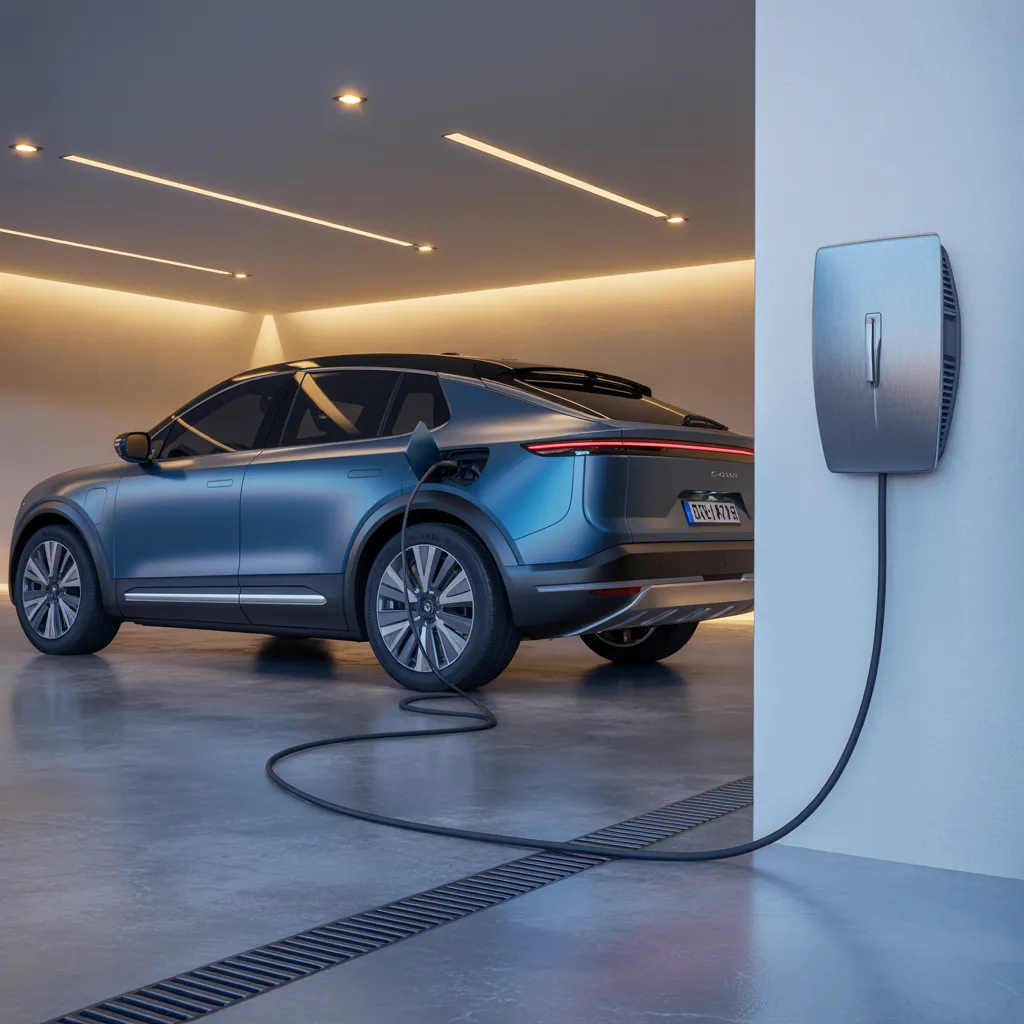
What Are the Reasons to Install an EV Charger at Home or Business?
Adding an EV charger for residential or commercial use delivers many benefits that help enhance sustainability and everyday convenience. Through having a designated charging unit, EV owners can charge their vehicles at night or during working hours, doing away with the need for repeated stops at public charging locations. This not only saves time but also guarantees that the car is always prepared for the road.
Additionally, adding an EV charging station can substantially cut power costs, especially with the opportunity for time-of-use rates. Companies can engage sustainability-focused customers by showcasing their commitment to sustainable practices, boosting their public image. Moreover, local administrations commonly extend incentives for EV charger installation, positioning it as a smart economic move.
Picking the Ideal Type of EV Charger for Your Situation
Selecting the appropriate type of EV charger is crucial for optimizing charging efficiency and satisfying individual needs. There are primarily 3 types of chargers: Level 1, Level 2, and DC Fast Chargers. Level 1 chargers, which use standard household outlets, are suitable for overnight charging but deliver slower charging speeds. Level 2 chargers offer faster charging and are ideal for home installations, handling various vehicle models effectively. For professional applications or quick charging needs, DC Fast Chargers significantly reduce charging time but need specialized electrical infrastructure.
When selecting a EV charger, factors to consider include the car's compatibility, the average daily driving distance, and available power supply. Additionally, cost considerations and available installation space should be evaluated, as some chargers may require professional installation. At the end of the day, picking the suitable EV charger can boost convenience and overall efficiency, making it a pivotal decision for any electric vehicle owner.
What You Need to Know Before Installing Your EV Charger
Before starting on the installation of an EV charger, various important aspects must be examined to ensure a successful setup. Initially, one must assess the electrical capacity of the home or facility. Verifying that the existing electrical system can handle the additional load is crucial to avoid possible electrical issues. Furthermore, the location of the charger should be determined thoughtfully, taking into account accessibility, proximity to parking spaces, and protection from weather elements.
Additionally, local building codes and regulations must be reviewed to verify compliance, as certain regions may impose specific requirements for EV charger installations. Hiring a licensed electrician is highly recommended, as they can assess the site, recommend appropriate equipment, and confirm safe installation. Additionally, planning for future requirements, such as anticipated expansions for extra vehicles or advanced charging capabilities, can yield lasting advantages. Careful planning can facilitate a streamlined and efficient EV charging experience.
How to Install Your EV Charger: A Complete Step-by-Step Guide
Installing an EV charger demands thorough planning and precise execution. Initially, the mounting location must be inspected to confirm it fulfills safety and accessibility requirements. Subsequently, proper connection of electrical components is essential for the safe and effective functioning of the charger.
Getting Your Installation Site Ready
Preparing the installation site for an EV charger is a critical step that forms the basis of a successful setup. To begin, the location should allow for easy access to the vehicle, ideally close to the power source. The surface must be secure, guaranteeing the charger stays secure. Clear any debris, vegetation, or obstacles that could obstruct installation or access. If installing outdoors, evaluate factors such as exposure to weather and closeness to existing electrical infrastructure. Evaluate the electrical capacity of the home to ensure it can accommodate the charger. Lastly, check local regulations and obtain necessary permits, as compliance with codes is vital for safe operation. Thorough preparation will enable a more seamless installation and improve overall performance.
Joining Electrical Components
With the installation site ready, the following step requires establishing the electrical connections for the EV charger. Initially, the circuit breaker needs to be shut off to guarantee safety. The installer must then link the charger's electrical wires to the assigned circuit. In most cases, this requires securing the live, neutral, and grounding wires according to the manufacturer's specifications. It is essential to fasten all connections firmly, using appropriate tools to eliminate the risk of loose wiring. Subsequently, the technician should firmly attach the charger to the wall or pedestal, making sure it is level. After all connections are made, the circuit breaker can be turned back on. Finally, a detailed examination should be conducted to confirm that all components are working properly before the charger is used.
Essential Practices for Safe and Efficient Electric Vehicle Charging
Ensuring safe and efficient EV charging is essential for both vehicle longevity and user safety. To accomplish this goal, users should select chargers that comply with local electrical codes and standards. Installing the charger in a properly ventilated area is recommended, ensuring it remains clear of potential hazards including water sources and flammable materials. Regular inspection of charging cables and connectors is vital to spot signs of wear or damage that might jeopardize safety.
Furthermore, users are advised to oversee the charging process and avoid overloading circuits. Utilizing timers or intelligent charging solutions can assist in managing energy usage and lowering costs. Educating users about appropriate charging practices is equally essential, such as disconnecting the vehicle immediately after charging to avoid overheating. By adhering to these best practices, both safety and efficiency can be maximized, which ultimately leads to a superior EV charging experience for all users.
How to Maintain Your EV Charger for Long-Term Performance and Durability
Regular upkeep of an EV charger greatly supports its lifespan and functionality. Routine checks are necessary to ensure all connections are secure and free from corrosion. Keeping the charging port and cable clean can avoid the buildup of debris, which may hinder charging efficiency. Additionally, users should regularly look for software updates, as manufacturers regularly issue upgrades that improve functionality and security.
It is essential to keep an eye on the charging environment. Storing the charger in a protected area can protect it from extreme weather conditions that may cause damage. Using a surge protector can safeguard the charger from electrical surges.
Furthermore, documenting any irregular occurrences, like slow charging speeds or system error messages, can support effective troubleshooting. Implementing these maintenance routines ensures that the EV charger stays in optimal condition, which in turn enhances the overall user experience and extends the unit's operational life.
Common Questions and Answers
Is It Possible to Install an EV Charger Myself, or Should I Hire a Professional?
People may install an EV charger themselves if they have the necessary skills and knowledge; however, working with a professional installer is generally advised for safety reasons, conformity with regional requirements, and maintaining peak efficiency of the home charging setup.
What Permits Do You Need for EV Charger Installation
Permits required for EV charger installation typically include electrical permits along with zoning permits in select regions. Regulations differ depending on the area, so checking local guidelines and potentially working with a licensed professional can help comprehensive article ensure both compliance and safety.
What Are the Typical Costs of Installing an EV Charger?
The typical cost of EV charger installation ranges between $500 and $2,000, based on factors including labor rates, electrical upgrades, and site complexity. Additional expenses may arise for permits or specific equipment needs.
How Much Time Does the Installation Process Require?
The installation process for an EV charger generally takes anywhere from four to eight hours, depending on the intricacy of the electrical setup and the particular charger model being installed, as well as any required permits or inspections.
Can You Get Tax Credits or Rebates for EV Charger Installation?
Yes, multiple rebates and tax credits are available for the installation of EV chargers. These incentives often depend on location and local regulations, inspiring businesses and homeowners to invest in green electric vehicle charging solutions for more environmentally friendly transportation.